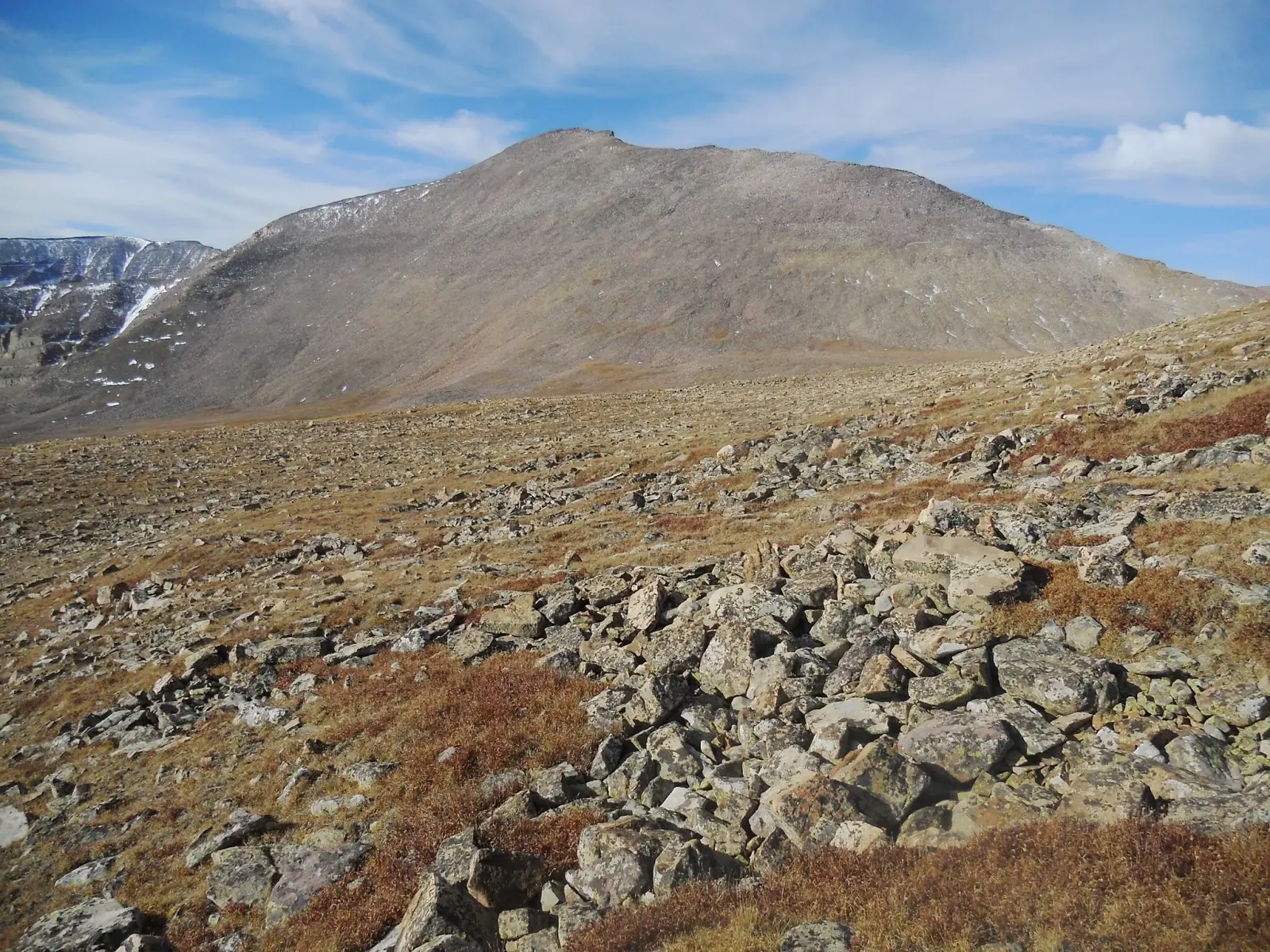
Kings Peak is the highest mountain in Utah and one of the most visited high summits in the United States, rising to 4,123 m. It sits in the remote Uinta Mountains and is known for long approaches, alpine scenery, and a non-technical but demanding climb. Most visitors come for the classic summit hike, which combines forest trails, high basins, and a final steep push to the top.
The mountain is popular with experienced hikers, backpackers, and first-time high-point climbers who are prepared for distance and elevation gain. Weather can change quickly, snow may linger into summer, and the route is usually best attempted as a two-day trip. Despite its remoteness, Kings Peak remains one of the most iconic peaks in the western United States.
No users yet
No routes yet.
No ascent logs yet. Be the first to log your climb!
The most popular trekking option is the standard summit hike from the Henrys Fork Trailhead. It is a long out-and-back route with steady climbing through forest, meadows, and alpine basins. The trail is well established, but the distance and elevation gain make it a serious trek rather than a casual day hike. Most hikers camp near Dollar Lake or in the upper basin to break the trip into two days.
Another common trekking variation uses the West Fork approach, which is slightly different in scenery and access but still leads to the same summit area. This route is valued for quieter conditions and broad views of the Uinta Mountains. Both trekking routes are best for hikers with good endurance, navigation skills, and experience at altitude.
Kings Peak is usually climbed as a hiking peak, but in early season it can feel like a mountaineering objective because of snow, ice, and route-finding challenges. The standard route from Henrys Fork becomes more technical when snow covers the upper slopes, especially near the final summit ridge. In these conditions, an ice axe and traction may be useful, and timing matters to avoid soft afternoon snow.
Experienced climbers sometimes combine the summit with nearby high points in the range for a longer alpine outing. These variations are not highly technical, but they require comfort with off-trail travel, weather judgment, and self-sufficiency. The mountain is best suited to mountaineers who want a remote, high-elevation objective without major rock or ice climbing.
The usual starting point is the Henrys Fork Trailhead, reached from the town of Mountain View in Wyoming or from Vernal in Utah, depending on the chosen access road. The approach is long and remote, with dirt and gravel sections that can be rough after rain or snowmelt. A high-clearance vehicle is helpful, and road conditions should be checked before departure.
From the trailhead, hikers follow the main trail toward Dollar Lake and continue into the upper basin below the summit. The route is straightforward in good weather, but the distance is significant, so many parties plan an overnight camp. There is no developed visitor center at the trailhead, so supplies, water treatment, and navigation should be arranged in advance.
Guided trips to Kings Peak are less common than in major alpine destinations, but some regional outfitters in Utah and the nearby mountain states offer custom backpacking and summit services. Well-known companies that may arrange private guiding or logistics support include Exum Mountain Guides, International Alpine Guides, and Mountain Trip. Prices vary widely by group size, season, and whether gear, transport, or camping support is included.
Typical private guiding for a remote summit hike in this region often starts around USD 400 to 800 per person for a basic day or shared service, while full custom overnight support can cost more. Because offerings change frequently, travelers should request current quotes directly from the operator and confirm experience with high-altitude hiking, navigation, and backcountry safety.
The best time to climb Kings Peak is usually from mid-summer through early fall, when snow has mostly melted from the standard route and trail conditions are more stable. July, August, and early September are the most popular months. Even then, afternoon thunderstorms are common in the Uinta Mountains, so early starts are recommended.
Late spring and early summer can bring deep snow, muddy trail sections, and difficult stream crossings. By autumn, temperatures drop quickly and early storms can create icy conditions. For the safest and most comfortable ascent, choose a stable weather window, monitor forecasts closely, and be prepared for cold nights at high elevation.
For a summer ascent, hikers should carry sturdy boots or trail shoes with good grip, layered clothing, rain protection, a warm insulating layer, and a reliable pack with enough food and water capacity for a long day or overnight trip. Trekking poles are useful on the long descent, and a map or GPS device is recommended because the route is remote and weather can reduce visibility.
In snow season or early summer, add traction, an ice axe, and possibly gaiters. A tent, sleeping bag, stove, and water treatment are important for overnight trips near Dollar Lake or in the basin. Sun protection is essential at altitude, and extra batteries or a power bank can help if you rely on electronic navigation.
The area around Kings Peak supports classic high-country wildlife, including mule deer, elk, moose, black bears, marmots, pikas, and many bird species. In the forested lower sections, animals are more active at dawn and dusk, while the alpine basins often reveal smaller mammals and ground-nesting birds. Water sources and meadows can attract wildlife, especially in summer.
Visitors should store food securely, keep a respectful distance, and avoid feeding animals. Mosquitoes can be intense near lakes and wet meadows during the warm season, so insect protection is useful. Wildlife encounters are usually safe when hikers stay alert and follow standard backcountry practices.
Plan for a long approach and limited services. Fuel, food, and water treatment should be arranged before leaving town, since the trailhead area is remote. Start early, especially in summer, to reduce thunderstorm exposure and to allow enough time for the descent. If camping, choose durable sites and follow local backcountry rules to protect fragile alpine terrain.
Cell service is unreliable to nonexistent on most of the route, so do not depend on internet or phone coverage. Tell someone your itinerary, carry a map, and be ready to turn around if weather worsens. Because the summit is high and the route is long, pacing and hydration matter as much as fitness.
Kings Peak is the highest point in Utah and one of the classic state high points in the United States. It is part of the remote Uinta Mountains, a range that runs east to west rather than the more common north-south orientation seen in many North American mountain chains. This unusual geography gives the area a distinctive feel.
The summit is often reached by hikers rather than technical climbers, which makes it especially popular with people collecting state high points. Even so, the mountain is not easy: the combination of distance, elevation, weather, and remoteness makes it a serious objective. Many visitors remember the wide alpine basins and long views as much as the summit itself.
How long does it take to climb Kings Peak? Most hikers need 10 to 16 hours for a round trip from the standard trailhead, or 2 days with an overnight camp.
How long does it take to approach Kings Peak? The approach to the upper basin or camping area usually takes 4 to 8 hours, depending on pace and pack weight.
Is there cell service and internet on the Kings Peak? Coverage is generally poor to nonexistent on the trail and near the summit, so do not rely on cell service or internet.
How difficult is it to climb Kings Peak? It is a non-technical hike in summer, but the long distance, elevation gain, and remote setting make it moderately difficult to hard.
Can beginners hike Kings Peak? Fit beginners can attempt it in good summer conditions, but they should be prepared for a long, strenuous backcountry hike and possible overnight camping.
How many people climb Kings Peak? It is one of the most popular high points in the western United States, and hundreds of hikers may attempt it during the main summer season.
No posts yet.